
Choosing the best wheel balancer is essential for smooth rides and even tire wear. A proper wheel balancer doesn’t just spin the rim, it detects imbalances and corrects them so tires roll smoothly without causing vibration or uneven wear.
Poorly balanced wheels can lead to rough rides, faster tire wear, and extra strain on suspension and steering systems. A good wheel balancer restores balance by spinning the wheel assembly, measuring imbalance with sensors, and then calculating and applying corrective weights to ensure the wheel rotates evenly.
In this guide, you’ll learn how the best wheel balancers operate, what makes them stand out, and how to choose one that suits your shop’s workload, vehicle mix, and service demands
Best wheel balancers
As workshops seek faster and more precise service, having a dependable wheel balancer becomes essential. Here’s a list of the best wheel balancers designed to improve accuracy, save time, and streamline every wheel balancing task:
- Ranger

Ranger wheel balancers spin wheels on a hardened-steel shaft while digital sensors detect imbalances for precise results. They handle automobile and light-truck wheels, typically up to 30 inches, with some models accommodating wheels up to 50 inches.
Ranger features dynamic, static, and alloy-wheel balancing modes and uses a direct-axis drive system for consistent performance. Designed for busy workshops, these balancers help technicians complete wheel balancing quickly and efficiently while accommodating a wide variety of vehicle types and wheel sizes.
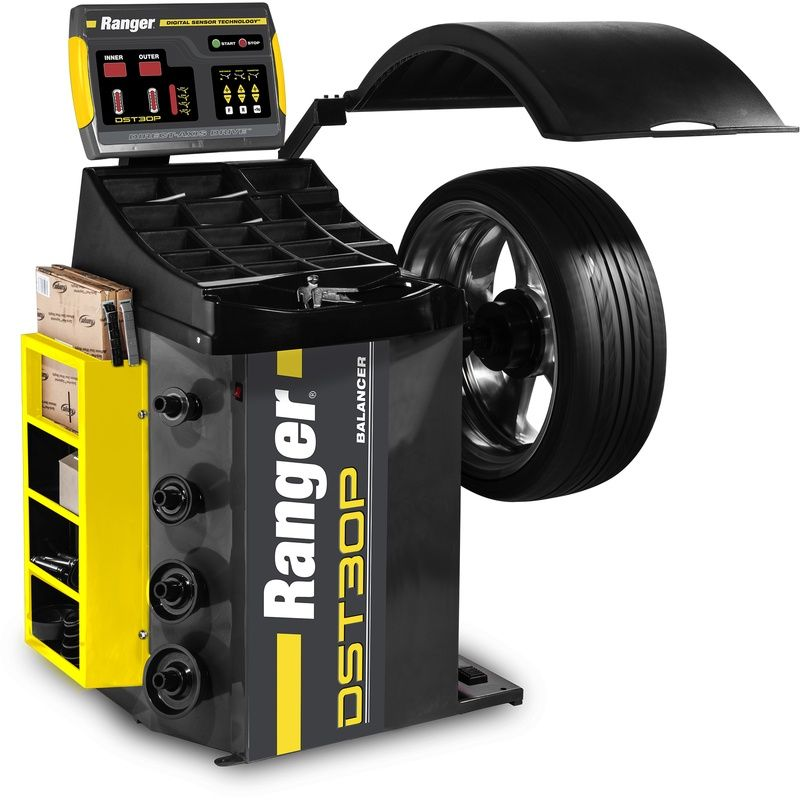
Explore the full Ranger wheel balancer lineup
- Coats

Coats wheel balancers integrate the motor and spindle into a single, pre-balanced assembly that helps maintain consistent calibration. Their laser-guided operation pinpoints exact weight locations both radially and axially. The system automatically positions the wheel for weight placement, locking the spindle in place. This ensures accurate and efficient balancing for every wheel.
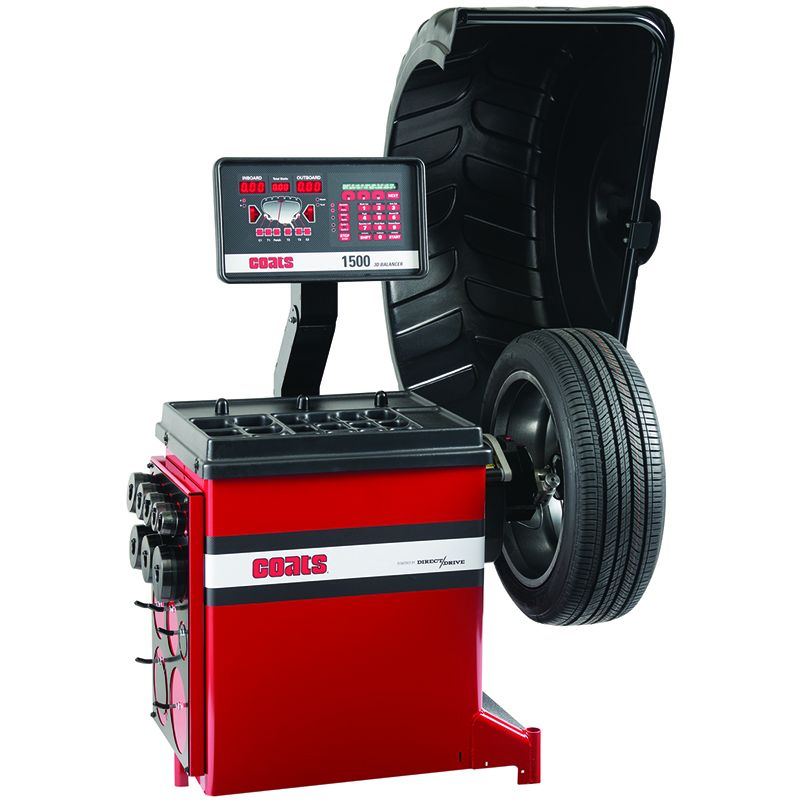
Balance wheels quickly and efficiently with Coats
- Corghi

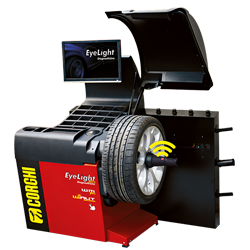
Corghi wheel balancers automatically detect wheel diameter and width, then set the correct balancing setting and center the wheel. They use digital displays or touchscreen interfaces to control balancing operations and ensure precise positioning with automatic clamping and laser-guided weight placement. The balancers start cycles automatically, allowing technicians to complete wheel balancing efficiently.
- Centramatic

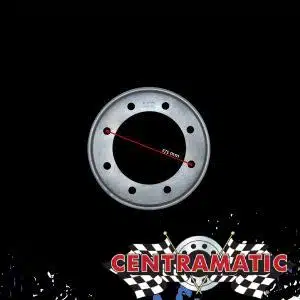
Centramatic wheel balancers mount directly to the wheel or axle and use a sealed ring filled with metal shot and damping fluid. As the wheel rotates, the media, which contains the durametal and the damping fluid, shifts to counter imbalances across the entire assembly. This helps reduce vibration, tire wear, and stress on suspension components while the vehicle is in motion. These wheel balancers work on a wide range of vehicles, including cars, trucks, buses, and trailers.
- Hofmann

Hofmann wheel balancers use sensors and laser guides to detect wheel imbalance and place weights accurately. They handle various wheel sizes, with touchscreen controls or data-entry arms that streamline setup. These features support consistent balancing and help reduce vibration and uneven tire wear.
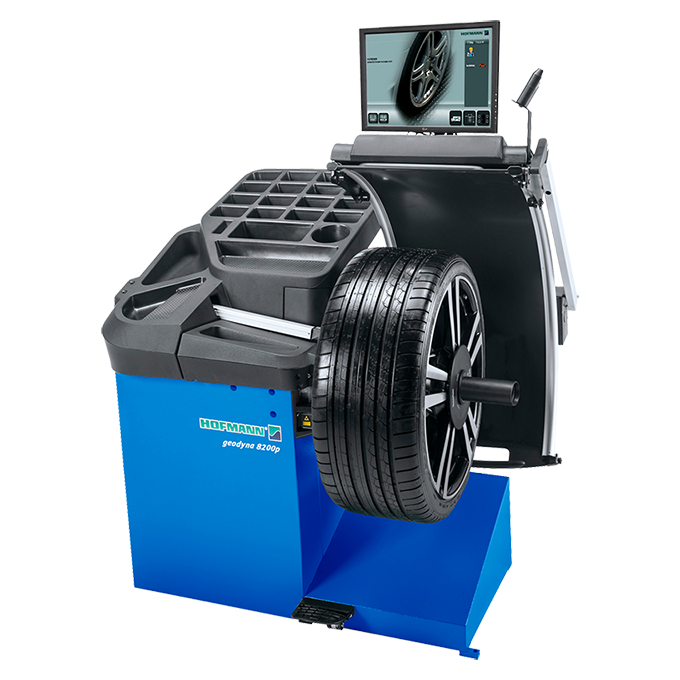
Consider these features to find the best wheel balancer
Choosing the best wheel balancer starts with understanding the features that impact accuracy, speed, and daily workflow. Below are the key factors to compare so you can pick a model that fits your shop’s needs.
Wheel and tire size
Choose a wheel balancer that supports the range of wheel diameters and widths you service most. If your shop handles everything from compact cars to light trucks, select a model with a broad measurement range so you can balance different wheel sizes without interruption.
Power and diagnostic capabilities
Wheel balancers use electric power to spin the wheel and run internal diagnostic systems. Look for a machine that offers consistent motor performance and clear imbalance detection, whether through digital sensors, laser guidance, or automated measuring features. Match the power requirements to your shop’s workload and electrical setup.
Balancer type
Balancers come in manual, semi-automatic, and fully automatic designs. Manual models require more input from the technician, while automatic machines measure wheel dimensions and calculate corrections with minimal steps. Choose the level of automation that fits your workflow, volume, and the skill level of your technicians.
Attachments and tools
Adapters, cones, and accessories help a balancer fit various wheel types, including alloy wheels, wide tires, or specialty rims. Select a machine that supports the attachments you need for your most common jobs. This ensures smoother setups and reduces the time spent switching between wheel types.
Wrenchers can help you find the best wheel balancer
The right wheel balancer doesn’t just measure imbalance; it protects tires and rims, and ensures smooth, safe rides for every vehicle. Accurate balancing saves time, reduces rework, and protects your customers’ vehicles from uneven wear and vibration. Investing in the right equipment ensures every job is done efficiently and confidently.
Wrenchers offers a wide selection of wheel balancers that handle everything from small cars to light trucks, with fast balancing cycles, multiple modes, and user-friendly digital interfaces. Whether you need a compact model for a small garage or a heavy-duty unit for high-volume work, you can find options that match your shop’s needs.
Choosing a quality balancer from trusted brands at Wrenchers guarantees dependable results and long-term performance. Compare features, check specifications, and read reviews to select the right model for your workflow, ensuring precise and efficient service every time.
Get started with Wrenchers today!
Best wheel balancer FAQs
What is the best type of wheel balancer for shops and garages?
It depends on the types of vehicles you work on and how busy your shop is. For most professional garages, digital or automatic wheel balancers are an excellent choice, as they are fast, accurate, and can accommodate a variety of wheel sizes.
If your shop primarily services standard cars and light trucks, a basic electronic balancer may suffice. However, if you run a high-volume shop or see larger wheels often, choose a balancer that supports alloy and oversized wheels and has fast cycle times so cars keep moving through the bay.
Are balancing beads or weights better?
While both methods aim to improve tire performance and vehicle handling, balancing beads move inside the tire to distribute weight dynamically, giving a smoother, vibration-free ride and requiring little maintenance. Wheel weights attach to the rim and provide a fixed balance, but need wheel removal and regular replacement.
If you’re wondering which option is better, go with balancing beads. They function like a small assistant inside your tires, keeping everything balanced as you drive.
What’s the difference between bubble balancing and dynamic balancing?
Bubble balancing, also called static balancing, uses a fluid-filled vial or bubble to show where weight needs to be added to keep a tire and wheel assembly even when stationary. Dynamic balancing, on the other hand, measures imbalances while the wheel spins, detecting both vertical and lateral forces for more precise correction.
The key difference is that bubble balancing only addresses weight distribution when the wheel is still, while dynamic balancing corrects imbalances that appear during rotation, providing smoother performance at higher speeds.
