
Car Lifts
Car Lifts
You can't cut corners when you choose a car lift. Your safety and the safety of the vehicle you're working on are what matter most. That's why we stock only rugged, high-quality shop and garage lifts from the brands professionals trust, including BendPak, MaxJax, QuickJack, and Autostacker.
Whether you need a two-post lift for daily service, a four-post lift for storage and maintenance, a portable lift for a home garage, or a scissor lift for tight spaces, we carry ALI-certified models built to lift safely and last. We back every order with free shipping, a price-match guarantee, and financing options, and our product specialists are here to help you find the right lift for your bay.
Lift Type
Shop car lifts by type.
Start with the way you need to lift. Browse car lifts for professional service, home garages, vehicle storage, compact bays and heavy-duty fleet applications.
Car Lifts
Car Lifts for Sale
We have over 150 car lifts for sale in our online catalog, ready to ship to your garage or shop. You'll find two-post lifts, four-post lifts, mobile column lifts, scissor lifts, parking and storage lifts, and more, with capacities ranging from around 7,000 lbs to 30,000+ lbs. Browse the product listings below to compare features, specs, and prices, and don't hesitate to contact us if you need help choosing the right lift.
Car Lifts for Sale
We have over 150 car lifts for sale in our online catalog, ready to ship to your garage or shop. You'll find two-post lifts, four-post lifts, mobile column lifts, scissor lifts, parking and storage lifts, and more, with capacities ranging from around 7,000 lbs to 30,000+ lbs. Browse the product listings below to compare features, specs, and prices, and don't hesitate to contact us if you need help choosing the right lift.
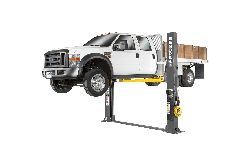
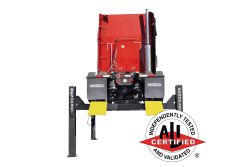
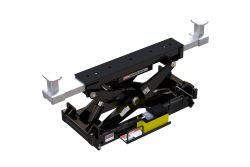
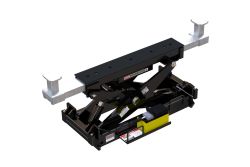
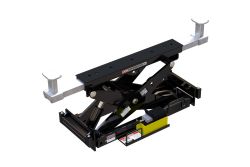
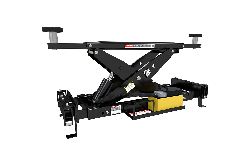
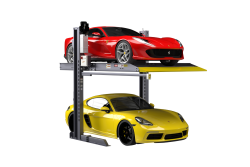
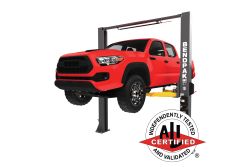
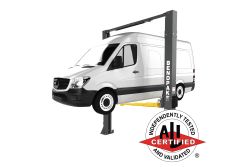
BendPak 10AP-168 Two-Post Lift
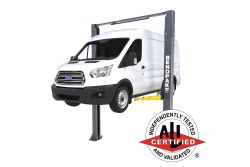
BendPak 10APX-181 Two-Post Lift
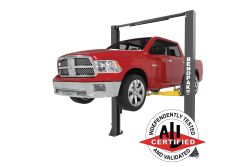
BendPak 10APX Two-Post Lift
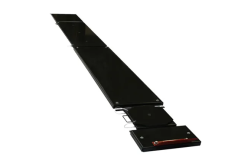
Buying Guide
How to choose the best car lift for your vehicle
Selecting the best car lift comes down to your vehicle type, available space, and intended use. Before you decide, consider factors like vehicle weight/size, ceiling height, and concrete floor requirements.
Two-post lifts are the preferred lift for most professionals as they allow the most access to vehicle components, while four-post lifts are some of the most versatile, offering both vehicle storage and service capabilities.
Additionally, Wrenchers carries a full line of parking lifts, which are an excellent, cost-effective solution for maximizing vehicle storage space in both commercial and residential parking. Portable car lifts are another solution for optimizing available space. Featuring compact designs and plenty of power, portable lifts are simple to use and easy to stow away, making them the perfect car lift for garage work or an extra shop bay.
Fast, wheels-free access.
A two-post lift for fast, wheels-free access on high-volume service.
Make the most of your space.
A portable two-post or a four-post lift that fits a residential ceiling and stows or stores easily.
Capacity for larger vehicles.
Heavy-capacity two-post, four-post, or mobile column lifts for trucks, buses, and large vehicles.
Use vertical space.
A four-post or parking lift to stack vehicles and double your usable space.
Configuration
Symmetric vs. Asymmetric Car Lifts
Two-post lifts come in two column configurations, and the right one depends on how you work.
Symmetric Lifts
The two columns face each other directly, and all four arms are the same length. The vehicle sits centered between the posts with its weight split evenly front to rear. Symmetric setups suit trucks, vans, and longer vehicles where balanced, heavy loading matters most.
Asymmetric Lifts
The columns are rotated, and the front arms are shorter than the rear arms. This shifts the vehicle rearward so you can open the doors without hitting the posts. Asymmetric setups suit cars and daily drivers, and they're a common pick for home garages where door clearance and comfort count.
Some two-post lifts support both configurations, so you can adapt to the vehicle at hand. If you service a mix of cars and larger vehicles, that flexibility can be worth it.
How Much Does a Car Lift Cost?
Car lift prices vary with the type, capacity, and features you choose, and installation can add cost if you're not doing it yourself. Most of the lifts we carry come in under $10,000, while heavy-duty and mobile column models run higher. The ranges below are typical starting points to help you plan a budget. Always confirm the price on the product page, since some lifts include free shipping or extra accessories.
| Car Lift Type | Typical Price Range | Best For |
|---|---|---|
| Portable and Scissor Lifts | Around $1,500 to $6,000 | Home garages, track-day work, and mobile mechanics |
| Two-Post Lifts | Typically around $2,500 to $6,000; floor-plate models around $10,000 | General service in shops and home garages |
| Four-Post Lifts | Typically around $3,000 to $10,000 | Vehicle storage plus general maintenance |
| Parking and Storage Lifts | Around $2,000 to $10,000 | Maximizing parking density |
| Mobile Column Lifts | Typically $15,000 to $30,000 and up | Buses, trucks, and commercial fleets |
Still comparing car lifts?
The right car lift keeps you working safely, saves space, and pays off in years of dependable service. Whether you're outfitting a professional bay, a home garage, a commercial fleet, or a parking structure, we carry ALI-certified lifts from the brands that professionals trust, backed by free shipping, a price-match guarantee, and financing. Our product specialists have years of experience and are ready to answer your questions and walk you through the buying process.
Questions
Car Lift FAQs
What are the different types of car lifts?
There are several types of car lifts, each suited to different purposes:
- Two-Post Car Lifts: Feature two upright posts and adjustable arms that lift the vehicle by the frame. Space-efficient and typically used for vehicles up to about 18,000 lbs.
- Four-Post Car Lifts: Have four columns and runways that you drive onto. They are very stable and often have higher capacity. Great for storing vehicles, since you can park one car under another, and for general maintenance.
- Scissor Car Lifts: Use an accordion-like mechanism to raise the vehicle. They're popular where space is tight because many can collapse flat to the floor when not in use.
- Portable Car Lifts: This category includes any easily movable lift. Many scissor lifts are portable and are excellent for home garage use or mobile mechanics.
- Parking and Storage Lifts: These lifts are intended primarily for vehicle storage rather than service. A parking lift lets you park one vehicle on a platform and another beneath it to maximize vertical space in a garage. Parking lifts are common in both home garages and commercial parking facilities.
- Mobile Column Lifts: These are heavy-duty lifts consisting of independent columns that can be positioned at each wheel of a large vehicle, such as a bus, truck, or commercial vehicle. Each column has its own hydraulic jack, and the columns operate in sync to lift the entire vehicle.
Where can you get a high-capacity car lift?
High-capacity car lifts for lifting heavy trucks, commercial vehicles, or multiple cars at once are available through specialized equipment dealers and manufacturers. Wrenchers carries an assortment of heavy-duty lifts and can special-order models that go beyond our standard catalog.
It's wise to consult our product specialists when shopping for a high-capacity lift, since installation requirements like concrete footing, electrical supply, and bay space become more critical with these larger units.
Are car lifts suitable for home garages?
Yes, many car lifts are absolutely suitable for home garages, as long as you have the space and proper setup. Simple tasks like oil changes and brake jobs become much easier when you can stand under the car.
A residential garage with a ceiling around 10 feet high can accommodate a typical two-post or four-post lift in most cases. If your ceiling is a bit lower, around 8 to 9 feet, you still have options like mid-rise scissor lifts, low-clearance two-post lifts, or portable two-post lifts designed for lower ceilings.
For example, portable QuickJack lifts are great for home garages with low ceilings. They come in several sizes and frame lengths, with capacities ranging from 1,000 to 8,000 lbs. and lifting heights between 20 and 24 inches. MaxJax, another brand of portable two-post car lifts, can carry up to 7,000 lbs. and has a lifting height of 46 inches, so you can get full-sized lift advantages in your home garage.
Your garage floor must also be able to support the lift. Typically, a properly reinforced concrete slab at least 4 inches thick is the minimum for safely anchoring a lift. Many modern home garage floors meet this requirement, but older or thinner slabs might need to be reinforced.
Check your lift's power requirements as well. Be prepared to have an electrician install an appropriate outlet if needed. Some four-post lifts use hydraulic power units that plug into a 110V outlet but draw a significant amount of current, so make sure the electrical circuit can handle the load.
Even at home, all safety protocols must be followed. Never overload the lift, always engage the safety locks, and make sure everyone who uses the lift is trained in proper operation.
How to choose the best car lift for your vehicle
Selecting the best car lift comes down to your vehicle type, available space, and intended use. Before you decide, consider factors like vehicle weight/size, ceiling height, and concrete floor requirements.
Two-post lifts are the preferred lift for most professionals as they allow the most access to vehicle components, while four-post lifts are some of the most versatile, offering both vehicle storage and service capabilities.
Additionally, Wrenchers carries a full line of parking lifts, which are an excellent, cost-effective solution for maximizing vehicle storage space in both commercial and residential parking. Portable car lifts are another solution for optimizing available space. Featuring compact designs and plenty of power, portable lifts are simple to use and easy to stow away, making them the perfect car lift for garage work or an extra shop bay.
To make it simpler, here's which lift we tend to recommend by user:
- Professional shop: A two-post lift for fast, wheels-free access on high-volume service.
- Home garage: A portable two-post or a four-post lift that fits a residential ceiling and stows or stores easily.
- Commercial fleet:Heavy-capacity two-post, four-post, or mobile column lifts for trucks, buses, and large vehicles.
- Storage and parking:A four-post or parking lift to stack vehicles and double your usable space.
Symmetric vs. Asymmetric Lifts
Two-post lifts come in two column configurations, and the right one depends on how you work.
Symmetric lifts: The two columns face each other directly, and all four arms are the same length. The vehicle sits centered between the posts with its weight split evenly front to rear. Symmetric setups suit trucks, vans, and longer vehicles where balanced, heavy loading matters most.
Asymmetric lifts: The columns are rotated, and the front arms are shorter than the rear arms. This shifts the vehicle rearward so you can open the doors without hitting the posts. Asymmetric setups suit cars and daily drivers, and they're a common pick for home garages where door clearance and comfort count.
Some two-post lifts support both configurations, so you can adapt to the vehicle at hand. If you service a mix of cars and larger vehicles, that flexibility can be worth it.
How Much Does a Car Lift Cost?
Car lift prices vary with the type, capacity, and features you choose, and installation can add cost if you're not doing it yourself. Most of the lifts we carry come in under $10,000, while heavy-duty and mobile column models run higher. The ranges below are typical starting points to help you plan a budget. Always confirm the price on the product page, since some lifts include free shipping or extra accessories.
| Lift Type | Typical Price Range | Best For |
|---|---|---|
| Portable and Scissor Lifts | Around $1,500 to $6,000 | Home garages, track-day work, and mobile mechanics |
| Two-Post Lifts | Typically around $2,500 to $6,000; floor-plate models around $10,000 | General service in shops and home garages |
| Four-Post Lifts | Typically around $3,000 to $10,000 | Vehicle storage plus general maintenance |
| Parking and Storage Lifts | Around $2,000 to $10,000 | Maximizing parking density |
| Mobile Column Lifts | Typically $15,000 to $30,000 and up | Buses, trucks, and commercial fleets |
Find the Right Car Lift With Us
The right car lift keeps you working safely, saves space, and pays off in years of dependable service. Whether you're outfitting a professional bay, a home garage, a commercial fleet, or a parking structure, we carry ALI-certified lifts from the brands that professionals trust, backed by free shipping, a price-match guarantee, and financing.
Our product specialists have years of experience and are ready to answer your questions and walk you through the buying process. Reach out any time—we're here Monday through Friday, 7:00 a.m. to 6:30 p.m. CT—or start browsing now.
Ready to talk?
We have product specialists with years of experience ready to answer your questions and help you through the car lift buying process.
We're here Mon-Fri, 7am to 6:30pm CT