
Brake Lathes
Brake service is one of the most common jobs in any shop, and having the right lathe makes all the difference. Wrenchers offers a complete lineup of brake lathes built for precision, durability, and shop efficiency. From on-car to bench-style lathes, our selection covers every type of service need.
We carry trusted brands that professional garages rely on, with machines designed to handle everything from light passenger vehicles to heavy-duty trucks. Whether you’re outfitting a new shop or upgrading older equipment, Wrenchers delivers the right tools to keep your brake service fast and accurate.
Brake lathes for sale
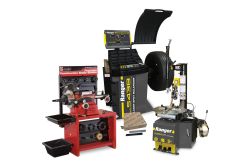
R980XR + LS43B + RL-8500 + Weights
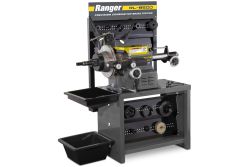
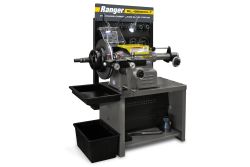
RL-8500XLT
$12,370.00
What is a brake lathe?
A brake lathe restores smooth, quiet braking by resurfacing rotors and drums. Over time, heat and friction create grooves, uneven wear, or warping in the brake surface. Instead of replacing the entire brake, a brake lathe removes a thin layer of metal, leaving a clean surface. This improves stopping power, reduces noise and vibration, and extends the life of the braking system.
On-car vs. off-car brake lathes
On-car brake lathes mount directly to the vehicle’s hub, cutting the rotor in its natural operating position. This setup compensates for any runout present in the brake system and delivers extremely accurate results. They’re a popular choice in shops that want quick, precise resurfacing without the extra step of removing the rotor.
Off-car, or bench lathes, require the rotor or drum to be removed and mounted on the lathe. They’re known for stability, power, and the ability to handle a wide range of rotor and drum sizes. Many shops prefer bench lathes because they can resurface multiple parts back-to-back and offer versatility to work on both rotors and drums. For busy shops with sufficient space, a bench lathe often becomes the workhorse of brake service.
Choosing the right brake lathe
The best brake lathe for your shop depends on the type of work you do, the vehicles you see most often, and the way your shop is set up. Some shops prefer on-car lathes because they cut the rotor in its natural position and save time on removal. Others rely on bench lathes for their stability, power, and versatility, especially when handling a mix of rotors and drums.
Capacity and compatibility are also important. Light-duty shops can get by with smaller units, while heavy-duty operations need machines built for larger vehicles and more demanding workloads. Beyond type and size, ease of use and reliability should drive the decision. A good brake lathe should set up quickly, run smoothly without vibration, and require minimal calibration. Ranger brake lathes, for example, are engineered with zero-vibration technology that produces consistent, chatter-free cuts.
While budget always factors into the choice, it’s worth investing in a machine that reduces downtime, improves accuracy, and holds up under daily use. In the long run, the right brake lathe isn’t just a tool — it’s a cornerstone of safe, profitable brake service.
Brake Lathe FAQs
What are the benefits of using a brake lathe?
Brake lathes extend the life of rotors and drums, reduce vibration, and restore smooth braking. Customers save money by using brake lathes rather than buying replacement brakes, and a quality lathe ensures a professional finish that can’t be matched with hand tools.
What is a bench brake lathe?
A bench brake lathe, also called an off-car lathe, is a standalone machine used to resurface rotors and drums. The part is removed from the vehicle and mounted on the machine for cutting. Bench lathes are popular because they’re durable, versatile, and easy to use for a wide range of vehicles.
Can you turn drilled and slotted rotors on a brake lathe?
Yes, but only if the wear is within safe limits and the lathe operator is careful. This practice isn’t recommended, but should you decide to use this option, make sure the lathe is set to its slowest setting. A brake lathe can clean up the braking surface on drilled or slotted rotors, but too much material removal can weaken the part. Always check manufacturer guidelines before machining performance rotors.
What accessories do brake lathes require?
Common accessories include adapters, silencing bands, and arbor sets. These ensure proper fit, reduce vibration, and improve accuracy when cutting. Many shops also keep protective covers, cutting tips, and quick-change tools on hand to streamline workflow.
How can I stop brake lathe vibration?
Vibration is one of the biggest challenges in brake resurfacing. It causes noisy cuts, uneven finishes, and wasted time. To minimize vibration, always mount rotors and drums securely, use proper adapters, and replace worn silencing bands. Machines like Ranger brake lathes are engineered with zero-vibration technology, which eliminates chatter and ensures a flawless surface every time. For shops that demand consistent results, a zero-vibration lathe is a must-have.
Ready to talk?
We have product specialists with years of experience ready to answer your questions and help you through the lift buying process.
We're here Mon-Fri, 7am to 6:30pm CT