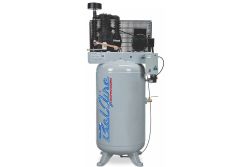
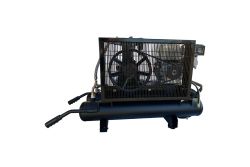
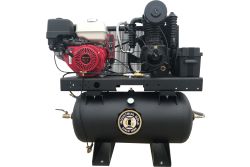
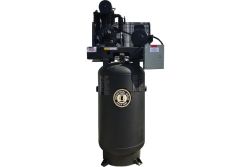
Portable Compressors
Portable compressors are easier to move from one work area to another. They can be a practical choice for smaller garages, home users and quick jobs such as tire inflation or other lighter-duty applications.

Air compressors power some of the most important tools in a garage or professional shop, from tire inflation and impact wrenches to grinders and paint equipment.
Compare air compressors from trusted brands including BelAire, BendPak, Compressed Air Systems and Ingersoll Rand, with options built for everything from home garages to demanding professional workloads.
Tank size, compressor design, available power and air output all affect how well a compressor keeps up with your tools and daily workload.
Easier to move between work areas and suited to lighter jobs, quick service work and applications where portability matters.
Larger shop compressors designed to provide the air volume and capacity needed for more frequent or continuous tool use.
Proven compressor configurations available in a range of horsepower, tank sizes and electrical requirements for garage and shop applications.
Shop-focused systems designed for applications that demand substantial, consistent compressed-air output throughout the workday.
Compare available air compressors by horsepower, tank configuration, power requirements, air output and intended application.
Air compressors power some of the most important tools in any garage. From inflating tires to driving impact wrenches and paint sprayers, the right compressor keeps your workflow running smoothly. At Wrenchers, we carry trusted brands built for both professional shops and home garages. Our models, from top brands like BelAire, BendPak, Compressed Air Systems and Ingersoll Rand, are designed to match any need.
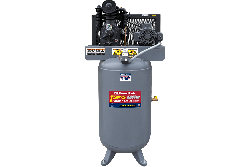
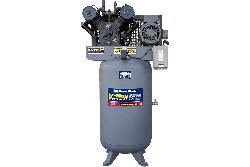
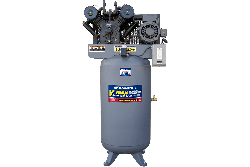
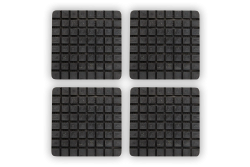
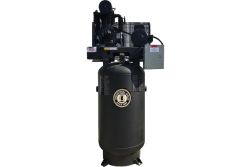
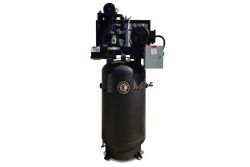
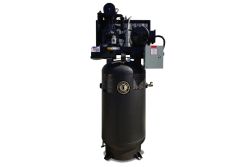
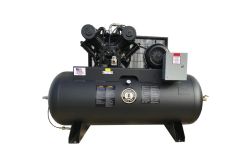
The right air compressor depends on the tools you need to run, how frequently you use them and the amount of air your shop needs to keep available. Compare air demand, tank capacity, compressor configuration and available space before choosing a system.
CFM measures how much air a compressor can supply. Match compressor output to the requirements of your air tools, especially when tools will run for extended periods or more than one tool may be used.
PSI measures air pressure. Higher pressure alone does not automatically make a compressor a better choice; your equipment needs the right combination of pressure and available air volume.
Tank capacity affects how long tools can operate before the compressor needs to cycle. Smaller tanks can suit lighter tasks, while larger tanks help support more continuous shop use.
Occasional tire inflation and small projects place very different demands on a compressor than impact guns, grinders or paint equipment operating throughout the workday.
Air compressors come in different configurations, and the right design depends on your available space, tools and expected level of use.
Portable compressors are easier to move from one work area to another. They can be a practical choice for smaller garages, home users and quick jobs such as tire inflation or other lighter-duty applications.
Stationary compressors are larger systems intended for more demanding use. Their greater air volume and capacity make them better suited to busy shops and equipment that requires a steady supply of compressed air.
Oil-free compressors reduce routine lubrication requirements and can be a useful option where lower maintenance, lighter weight and cleaner operation are priorities.
Oil-lubricated compressors are designed with durability and demanding workloads in mind. They require regular maintenance but can be well suited to frequent professional use.
Compressor performance is a combination of several specifications. Evaluate the complete system instead of choosing equipment based on a single number.
Affects available stored air and how frequently the compressor needs to cycle during tool use.
Measures the pressure of the compressed air delivered to your equipment and tools.
Measures air volume and is an important specification when matching a compressor to air-tool demand.
Relates to the compressor's drive system, but should be considered alongside air output and application requirements.
Verify the electrical supply or engine configuration required by the compressor before planning installation.
Couplers, hoses, regulators, filters and related components affect how compressed air is distributed to the work area.
Common questions about compressor types, specifications, portability and supporting equipment.
Portable oil-free air compressors are among the easiest to operate. They are lightweight, require relatively little maintenance and are designed for straightforward setup and use.
Cordless compressors provide additional flexibility because they do not depend on a nearby electrical outlet or long air hose. That can make them useful for roadside work, outdoor projects and other jobs where portability is important.
PSI measures air pressure, while CFM, or cubic feet per minute, measures air volume. PSI indicates the pressure the compressor can deliver, while CFM indicates how much air it can supply. Both should be considered when matching a compressor to your tools.
Not necessarily. Higher PSI can support equipment that requires greater pressure, but many common home and shop tools do not require extreme pressure. Matching both PSI and CFM to the equipment being used is more important than selecting a compressor based only on its maximum PSI.
Small oil-free portable compressors are generally the most convenient when mobility is the priority. Portable designs may incorporate handles or wheels to make it easier to move the compressor between work areas or job sites.
For many homeowners, a portable oil-free compressor with a modest tank size can provide enough capacity for tire inflation, air nailers and smaller garage projects without requiring the space of a larger stationary system.
Useful supporting equipment can include air hoses, quick-connect couplers, regulators and filters. Depending on your tools and air system, fittings, moisture traps and hose storage reels may also help keep the system organized and properly configured.
We have product specialists with years of experience ready to answer your questions and help you through the buying process.
We're here Mon–Fri, 7am to 6:30pm CTAir compressors come in a variety of designs, and the best choice depends on your space, tools, and level of use.
Portable compressors are lightweight and easy to move from one spot to another. They’re ideal for small garages, home users, and quick jobs like inflating tires or powering nail guns. Stationary compressors, on the other hand, are larger and built to handle continuous use. They deliver higher air volume and pressure, making them the go-to for busy shops where multiple tools may run at the same time.
Oil-free compressors are low-maintenance, lighter, and cleaner to operate. They’re a good fit for occasional use in home garages or smaller shops. Oil-lubricated compressors are built for durability and heavy-duty use. They run quieter, last longer, and handle demanding applications with ease, but they require regular maintenance to keep them in top shape.
When choosing a compressor, it’s important to understand the key features that determine performance and usability:
The right air compressor depends on how you’ll use it. If you’re inflating tires or handling quick DIY tasks, a portable oil-free model will do the trick. For shops running impact guns, grinders, or paint systems all day, a larger stationary compressor with high CFM output is the smarter choice. Matching tank size, power, and design to your workflow ensures you’ll always have the air you need without slowing down.
Portable oil-free air compressors are the easiest to operate. They’re lightweight, require little maintenance, and are ready to go right out of the box.
Cordless compressors give you freedom to work anywhere without relying on outlets or long air hoses. They’re ideal for roadside use, outdoor projects, and jobs where portability matters most.
PSI measures air pressure, while CFM (cubic feet per minute) measures air volume. PSI measures how much force the compressor can deliver, and CFM measures how much air it can supply. For home use, moderate PSI with a steady CFM rating is usually enough for tire inflation, small tools, and light-duty work. Shops need higher CFM ratings to keep up with multiple tools.
Not always. While higher PSI can run more powerful tools, most standard shop and home tools don’t require extreme pressure. A steady balance of PSI and CFM is more important than simply chasing higher PSI numbers.
Small, oil-free portable compressors are the best choice for portability. Many models have built-in handles or wheels, making them easy to transport from one job site to another.
For most homeowners, a portable oil-free compressor with a modest tank size works well. It provides enough power for inflating tires, powering air nailers, and handling small garage projects without taking up too much space.
You may find accessories like air hoses, quick-connect couplers, regulators, and filters useful. Depending on your tools, you may also want additional fittings, a moisture trap to keep lines dry, and storage reels for hoses. These add-ons improve safety, extend the life of your tools, and keep your garage organized.
We have product specialists with years of experience ready to answer your questions and help you through the buying process.
We're here Mon-Fri, 7am to 6:30pm CT