
Wheel and Tire Balancers
Wheel balancers make sure every ride is smooth and safe. By evenly distributing weight around the wheel and tire assembly, they prevent vibrations, uneven tread wear, and steering problems. Shops, dealerships, and even serious DIY mechanics rely on these machines for accuracy. Choosing a quality balancer from trusted brands at Wrenchers means dependable results and long-term performance you can count on.
Wheel balancer machines for sale
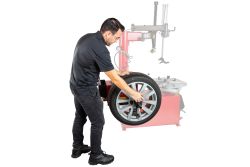
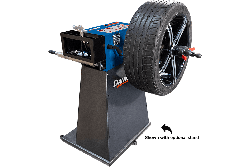
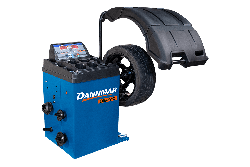
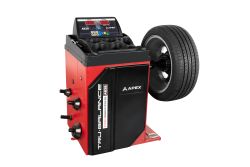
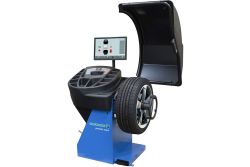
APEX AB28 Wheel Balancer
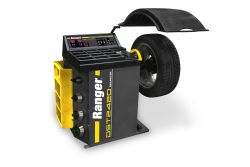
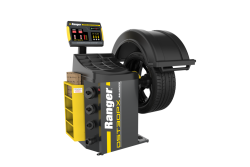
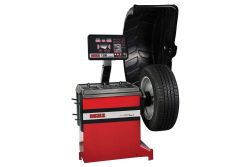
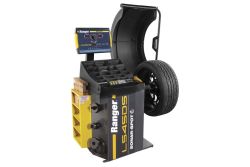
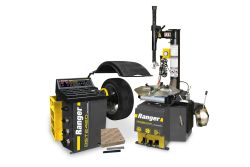
R980XR + DST2420 + Weights
Why tire balancing is important
Even just a few grams of imbalance in a tire can cause a steering wheel to shake, a car to drift, or tires to wear out long before their time. Balancing ensures that the tire and wheel spin evenly at high speeds. It makes for smoother rides, better fuel economy, and longer tire life. In short, balancing is one of the simplest ways to protect a vehicle’s performance and safety.
Tire changer and balancer combos
For shops that want a complete setup, tire changer and balancer combos make a lot of sense. A tire changer handles mounting and dismounting, while a balancer ensures the wheel is ready to roll without vibration. Having both in one package saves space, cuts costs, and keeps workflow efficient.
Instead of piecing together separate machines, combos give you a matched set designed to handle everything from start to finish. They’re especially popular in small shops or garages that need professional results without wasting floor space.
How to choose a wheel or tire balancer
The right balancer depends on what vehicles you service most, how much accuracy you need, and how your shop runs day to day. Compact models are great for motorcycles or light cars, while high-capacity machines are designed for trucks and heavy-duty use.
Think about whether you want manual or automatic data entry, how much space you can dedicate, and how precise the balancing process needs to be for your customers. A little planning ensures you end up with a balancer that boosts workflow instead of slowing it down.
Wheel balancer FAQs
What are the differences between static and dynamic wheel balancers?
Static wheel balancers measure imbalance in a single plane, which is usually fine for narrow tires or motorcycle wheels. Dynamic balancers measure across two planes, identifying both side-to-side and up-and-down imbalance. For modern cars and trucks, dynamic balancing is the standard because it gives more accurate results.
How does wheel balancing equipment ensure even weight distribution?
Balancers spin the wheel and use sensors to detect heavy spots. Once the imbalance is identified, small counterweights are placed on the rim to even things out. The process ensures that the tire rotates smoothly without pulling to one side or sending vibrations through the steering column.
What is a wheel balancer used for?
A wheel balancer is used to measure and correct imbalance in the wheel and tire assembly. It keeps vehicles driving straight, reduces vibrations, and extends the life of tires and suspension components. In any professional shop, balancing is a standard step after mounting new tires.
What features should a wheel balancer include?
A good wheel balancer should come with features that make the job fast, accurate, and reliable:
- Accuracy: Sensors that detect even the smallest imbalance for smooth driving
- Efficiency: Quick spin cycles to keep jobs moving in a busy shop
- Ease of use: Simple controls, digital readouts, and user-friendly interfaces
- Durability: Heavy-duty construction that holds up to daily shop use
- Speed: Fast measurement and weight placement guidance
- Capacity: Ability to handle a wide range of wheel sizes and vehicle types
How does tire balancing equipment work?
The wheel is mounted on the balancer, which spins it at a set speed. Sensors measure vibration and weight distribution. The machine then calculates where and how much weight needs to be added to bring the wheel into balance. With the weights applied, the wheel is re-tested to confirm the fix.
What are the symptoms of wheel balance problems?
Common signs include vibration in the steering wheel, shaking in the seat, uneven tread wear, and noise at higher speeds. If left unchecked, imbalance can wear out suspension components and shorten tire life. Most vehicles should have their wheels balanced whenever new tires are mounted and checked at least every 5,000 to 8,000 miles or when your manufacturer recommends.
How often do wheel balancers need to be properly calibrated and maintained?
Balancers should be calibrated regularly to ensure accuracy, especially in high-volume shops. A common guideline is every few months and anytime you move the machine. Routine checks on sensors, calibration weights, and electrical components keep the balancer working at its best. Simple maintenance, like cleaning the spindle and making sure the machine is level, also goes a long way.
Ready to talk?
We have product specialists with years of experience ready to answer your questions and help you through the buying process.
We're here Mon-Fri, 7am to 6:30pm CT