
Jack Stands
Jack Stands
Reliable jack stands provide a solid foundation for vehicle maintenance and repair. Shop Ranger jack stands for passenger vehicles, trucks and elevated service applications, with capacities and configurations designed for different vehicle weights and working heights.
Application
Match the stand to the vehicle and working height.
The current Ranger lineup includes conventional jack stands in 3-ton and 6-ton capacities along with tripod and high-reach stands for elevated support applications. Start with the load being supported, then consider the height and stand configuration required for the job.
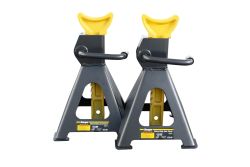
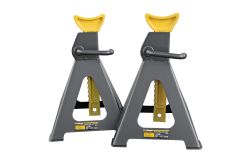
The Ranger RJS-3T provides a conventional jack stand solution with a 3-ton rating and is supplied as a set of two.
The Ranger RJS-6T increases rated capacity to 6 tons for applications requiring greater vehicle support. These stands are also supplied as a set of two.
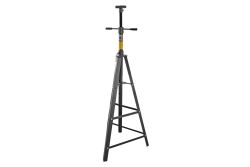
The Ranger RJS-2TH is a 2-ton tripod stand designed for applications that call for a taller support configuration.
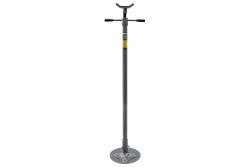
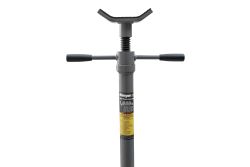
Ranger's 1-ton high stands include the RJS-1T and the foot-operated RJS-1TF for elevated support applications.
Jack Stands
Jack Stands for Sale
Compare Ranger jack stands by rated capacity, height and configuration. The current selection includes 3-ton and 6-ton sets, a 2-ton tripod stand and 1-ton high-reach support stands.
When it comes to working safely under your vehicle, nothing is more essential than a reliable set of jack stands. At Wrenchers, we know your peace of mind matters just as much as getting the job done right. That’s why we offer a wide range of high-quality jack stands built to support everything from compact cars to heavy-duty trucks.
Whether you’re performing routine maintenance or tackling a major repair, our sturdy, precision-engineered stands give you the solid foundation you need to work with confidence. Explore our collection and find the perfect jack stands to keep your projects well supported and your safety protected.
Jack Stands for Sale
How to Choose Jack Stands for Your Vehicle
Choosing the right jack stand is essential for keeping your vehicle supported while you work underneath it. Compare stand type, rated capacity, height range and overall construction before choosing the equipment for your garage.
Jack stands are available in ratcheting, pin-style and screw-style designs. The adjustment and locking method determines how the stand is positioned and secured.
Check the vehicle's weight and the stand's rated capacity before use. The stand must be appropriately rated for the load it will support.
Make sure the stand provides an appropriate working range for the vehicle and the height required for the service being performed.
Look for a wide, sturdy base, heavy-duty construction and solid welds, along with a locking mechanism that operates correctly.
Understand the different adjustment systems.
The existing Wrenchers guide identifies three common jack stand styles: ratcheting, pin-style and screw-style.
Standard ratcheting stands use a notched post and pawl system that locks into place as the stand is raised.
Pin-style stands use a removable locking pin to hold the stand at the selected height.
Screw-style stands use a threaded rod that is turned to raise or lower the support for more precise height adjustment.
Check the stand before supporting a vehicle.
Inspect jack stands before every use and verify that the stand, base and locking components are in good condition before putting them into service.
Inspect the stand for visible cracks or structural damage.
Look for corrosion that could indicate deterioration.
Do not overlook damaged or visibly deformed components.
Inspect welded areas for visible signs of damage.
Make sure the mechanism moves smoothly and locks firmly.
Jack Stands FAQs
Common questions about choosing, positioning and inspecting jack stands.
Why should you use a jack stand?
A jack stand is essential for keeping your vehicle safely supported while you work underneath it. Unlike a hydraulic floor jack, which can fail or slowly lose pressure over time, jack stands provide solid, stable support.
What are the different types of jack stands?
Jack stands generally come in three styles:
- Standard ratcheting stands: Secure and adjust with a notched post and pawl system that locks into place as you raise the stand.
- Pin-style stands: Use a removable locking pin to hold the stand at your desired height.
- Screw-style stands: Adjust by turning a threaded rod to raise or lower the support and are often used for precise height adjustments.
How much weight can a jack stand hold?
Jack stands are typically rated in tons per pair. Common capacities range from 2–3 tons for standard cars and SUVs, with options up to 5–6 tons for heavier trucks. Always check your vehicle's weight and the rated capacity of the stands before use.
How many jack stands do I need?
At minimum, you'll want a pair of jack stands to support one end of your vehicle. For jobs that require lifting all four wheels off the ground, you'll need two pairs: one set for the front and one for the rear.
How do I properly place a jack stand under my car?
Always position your jack stands under the manufacturer-recommended lift points, usually outlined in your owner's manual. Once you raise the vehicle, carefully lower it onto the stands and make sure the vehicle is stable before getting underneath.
What features should I look for when buying jack stands?
Look for stands with a wide, solid base, heavy-duty steel construction and secure locking mechanisms, whether that's a ratchet, pin or screw design. The existing Wrenchers guide also recommends considering additional safety features such as dual-locking systems.
How do I know if my jack stands are in good condition?
Inspect your jack stands before every use. Check for cracks, rust, bent components or damaged welds, and make sure the locking mechanism moves smoothly and locks firmly into place.
What are the lifting heights for jack stands?
Jack stands are available with different lifting height ranges. Compare the specified height range of the stand with the vehicle and the working height required for your service application.
Need help choosing jack stands?
Our product specialists can help you compare capacity, height and stand configurations for your vehicle or shop.
We're here Mon-Fri, 7am to 6:30pm CTHow to Use Jack Stands to Support Your Vehicle
Choosing the right jack stand is essential for keeping your vehicle secure and yourself safe while working underneath it. These are the key things to look for when choosing your jack stand:
- Type: Jack stands come in ratcheting, pin-style, and screw-style designs
- Weight capacity: Always choose jack stands that are rated to support at least three-fourths of your car’s weight.
- Height range: Make sure your stands offer enough lift to work comfortably
- Stability and build: Look for a wide, sturdy base and heavy-duty steel construction with solid welds
Understanding the different types of jack stands and considering key factors like weight capacity, height range, and overall stability will help you confidently choose the right stands for your garage. Investing in quality jack stands not only protects your vehicle but also ensures your safety every time you get underneath to tackle a job.
Jack Stands FAQs
Why should you use a jack stand?
A jack stand is essential for keeping your vehicle safely supported while you work underneath it. Unlike a hydraulic floor jack, which can fail or slowly lose pressure over time, jack stands provide solid, stable support so you can wrench with total confidence.
What are the different types of jack stands?
Jack stands generally come in three styles:
- Standard ratcheting stands: Secure and adjust a notched post and pawl system that locks into place as you raise the stand.
- Pin-style stands: Use a removable locking pin to hold the stand at your desired height, offering an extra layer of security.
- Screw-style stands: Adjust by turning a threaded rod to raise or lower the support. Often used for precise height adjustments.
How much weight can a jack stand hold?
Jack stands are typically rated in tons per pair. Common capacities range from 2–3 tons for standard cars and SUVs, but you can find options all the way up to 5–6 tons for heavier trucks. Always check your vehicle’s weight and choose stands that are rated to support at least three-fourths of its weight for maximum safety.
How many jack stands do I need?
At minimum, you’ll want a pair of jack stands to safely support one end of your vehicle. For jobs that require lifting all four wheels off the ground, you’ll need two pairs: one set for the front and one for the rear.
How do I properly place a jack stand under my car?
Always position your jack stands under the manufacturer-recommended lift points, usually outlined in your owner’s manual. Once you raise the vehicle, carefully lower it onto the stands and give it a gentle push to make sure it’s stable before getting underneath.
What features should I look for when buying jack stands?
Look for stands with a wide, solid base to prevent tipping, heavy-duty steel construction for long-lasting durability, and secure locking mechanisms, whether that’s a ratchet, pin, or screw design. Additional safety features like dual-locking systems are also a smart investment.
How do I know if my jack stands are in good condition?
Inspect your jack stands before every use. Check for cracks, rust, bent components, or damaged welds, and make sure the locking mechanism moves smoothly and locks firmly into place.
What are the lifting heights for jack stands?
Most jack stands offer a range of lifting heights, allowing you to choose what feels most comfortable to work with.
Ready to talk?
We have product specialists with years of experience ready to answer your questions and help you through the car lift buying process.
We're here Mon-Fri, 7am to 6:30pm CT