
Automotive Tools
Automotive Tools
Equip your shop for diagnostics, tire service, fastener work and everyday repair with professional automotive tools built for the demands of a working bay.
Shop diagnostic and TPMS equipment, pneumatic and power tools, professional hand tools and specialized equipment from leading automotive tool manufacturers.
Tool Type
Tools for the work happening in your bay.
Move directly to the equipment you need. Wrenchers organizes automotive tools around three core areas: powered shop tools, vehicle diagnostics and professional hand tools.
Impact wrenches, ratchets and powered tools for fast, repetitive automotive service work.
Shop Air & Power ToolsDiagnostic scanners, TPMS programming equipment, sensor tools and related vehicle service technology.
Shop DiagnosticsProfessional-grade wrenches, sockets and hand tools for routine repair and service work.
Shop Hand ToolsStart with the work your technicians perform most often, then compare tool type, capability and application.
Equipment
Automotive Tools for Professional Shops
Browse the complete automotive tool assortment below, including diagnostic and TPMS equipment, hand tools, powered equipment and other specialized shop tools.
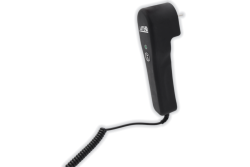
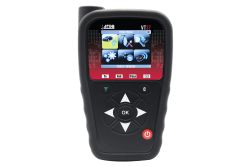
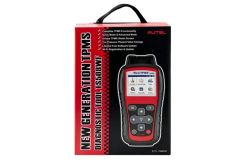
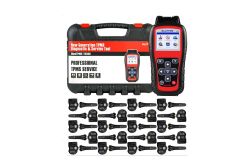
Shop for high-quality automotive tools from your favorite brands. We carry many types of TPMS tools and other types of diagnostic equipment. We also carry a solid lineup of pneumatic tools that can deliver a lot of power in expertly crafted packages. Make sure to check out our selection of wrenches as well. The classic wrench has been improved and now reaches new heights that may seem excessive for a wrench, but not to us.
Guide
Types of Automotive Tools
Automotive tools cover very different jobs in the bay. Start with the work you need to perform, then choose the tool category and capabilities that fit that workflow.
Pneumatic tools use the shop compressor to deliver power for repetitive work such as tire, brake and fastener service.
Shop Air & Power ToolsScan tools help technicians retrieve fault codes, monitor vehicle data and perform diagnostic work through the vehicle's electronic systems.
Shop DiagnosticsTPMS tools support tire-pressure sensor service, including sensor activation, programming and vehicle relearn procedures.
Shop TPMS & DiagnosticsWrenches, sockets and other professional hand tools remain everyday essentials for mechanical repair and general shop work.
Shop Hand ToolsMatch the tool to the work.
Different bays place different demands on their tools. Compare equipment based on the jobs your technicians perform, how frequently the tool will be used and the capabilities required for those repairs.
Air and power tools can reduce the effort involved in repetitive fastener work where speed and power matter.
Compare diagnostic equipment by the systems, vehicle coverage and service functions your shop actually needs.
Shops servicing tires should consider the sensor activation, programming and relearn functions required for the vehicles they encounter.
Hand tools should be selected around fit, durability and the sizes and fasteners technicians work with every day.
Build around the work your shop actually performs.
A high-end diagnostic tablet solves a different problem than an impact wrench or combination wrench. Start with the job, then compare the features and capability that matter for that part of your operation.
Tools FAQ
Common Automotive Tool Questions
A few common questions about selecting automotive tools for professional repair and service work.
Independent repair shops rely on several core tool categories:
- Air and power tools: Impact wrenches and ratchets for fast fastener work.
- Diagnostic and TPMS tools: Scanners for fault codes and tools for tire-pressure sensors.
- Hand tools: Professional-grade wrenches, sockets and pliers for daily repairs.
Many shops also add wheel service equipment and additional shop equipment as they grow.
The best automotive tools are the ones that match your work and come from brands with a proven track record. Diagnostic tools should offer the vehicle coverage and software capabilities your shop needs, while TPMS tools need to support the sensors and service procedures you encounter.
Air tools should be selected for the demands of shop use, while hand tools are worth comparing for fit, manufacturing tolerances and corrosion resistance. The right choice balances durability, features and price for your operation.
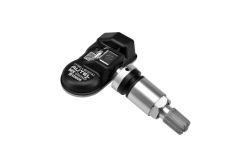
A TPMS tool reads and programs tire-pressure monitoring sensors. Shops servicing tires, replacing sensors or performing TPMS relearns use these tools to activate sensor data, program replacement sensors and complete the vehicle relearn process.
Air tools run from a shop compressor, while electric tools use a battery or cord. Air tools can provide a lightweight solution for repetitive work in a shop already equipped with compressed air. Electric and cordless tools provide greater portability for mobile work or garages without a compressor.
Putting together the right tool setup?
Talk with a Wrenchers product specialist about automotive tools and equipment for your shop.
Types of Automotive Tools
We group our automotive tools into a few core categories so you can move straight to what your work needs. Each category solves a different problem in the bay, from loosening seized fasteners to reading fault codes. Here is how the main types compare.
Air and Power Tools for Professional Shops
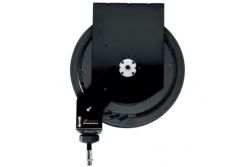
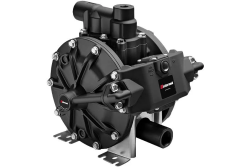
Air-powered tools run off your shop compressor, and they change how fast a bay moves. An air impact wrench breaks loose lug nuts and suspension bolts that would fight a hand ratchet. Because the power comes from the compressor, these tools stay light and cut hand fatigue over a long shift. Pneumatic tools from Chicago Pneumatic and Ingersoll Rand deliver steady, high torque for repetitive jobs like tire and brake work.
Diagnostic Tools and TPMS Equipment
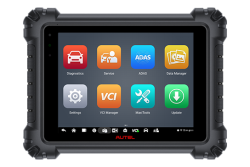
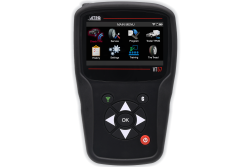
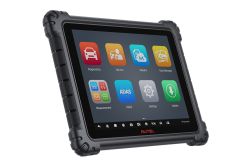
Diagnostic tools read what a vehicle's computer is telling you. A scan tool plugs into the OBD-II port to pull fault codes, watch live sensor data, and clear codes after a repair. We carry Autel diagnostic tablets like the MaxiSYS MS909 and MSULTRA for deep, multi-system scanning. TPMS tools handle tire-pressure sensors: they read sensor IDs, program new sensors, and relearn them to the vehicle after a tire change.
Hand Tools Built for the Shop
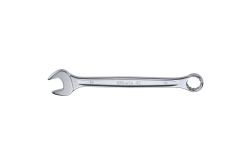
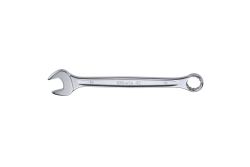
Hand tools take the most abuse, so the gap between professional-grade and consumer-grade shows up fast. Pro-grade wrenches and sockets hold tighter tolerances, resist rounding, and last through daily use. We carry Beta Tools, whose Italian-made combination wrenches and hand tools are known for precise fit and durable finishes.
Why Professionals Choose Wrenchers for Automotive Tools
The right tool cuts diagnostic time, prevents comebacks, and keeps a bay moving on a full schedule. Whether that means an impact wrench built to survive a full shift of tire work, a TPMS tool that handles relearns without guesswork, or a diagnostic tablet that can trace a fault back to its source, the categories above cover what a working shop actually reaches for day to day.
Wrenchers carries all of it under one roof—Autel, ATEQ, Bartec, Beta Tools, Chicago Pneumatic, and Ingersoll Rand—backed by a price-match guarantee and free shipping on every order.
Automotive Tools FAQs
Independent repair shops rely on a few core tool categories:
- Air and power tools: Impact wrenches and ratchets for fast fastener work.
- Diagnostic and TPMS tools: Scanners for fault codes and tools for tire-pressure sensors.
- Hand tools: Professional-grade wrenches, sockets, and pliers for daily repairs.
Many shops add wheel service and shop equipment as they grow.
The best automotive tools are the ones that match your work and come from brands with a proven track record. Diagnostic tools should offer strong OBD-II coverage and regular software updates. TPMS tools need to activate and program whatever sensor brands you actually encounter in the field.
Air tools should be rated for continuous shop use, not occasional home use, and hand tools are worth judging on manufacturing tolerances and corrosion resistance more than the name on the handle. The right pick ultimately balances durability, features, and price for your shop.
A TPMS tool reads and programs the tire-pressure monitoring sensors inside your wheels. You need one if you service tires, replace sensors, or reset the dashboard TPMS warning light after a repair. These tools typically activate the sensor's data, program a replacement sensor to match your vehicle, and complete the relearn process so the warning light clears.
Air tools run off a shop compressor, while electric power tools run off a battery or a cord. Air tools tend to be lighter and deliver high torque for continuous work, which suits a bay with a compressor already in place. Electric and cordless tools offer portability, which makes them handy for mobile work or a home garage without a compressor.