
Alignment Lifts
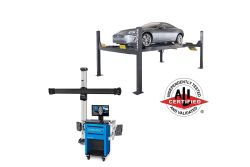
Hofmann geoliner® 660 & BendPak HDS-14LSX 4-Post Alignment Lift Package
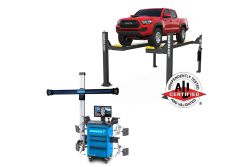
Hofmann geoliner® 678 & BendPak HDSO-14AX Open-Front Alignment Lift Package
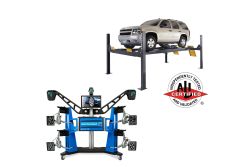
Hofmann geoliner® 770 & BendPak HDS-14LSXE Alignment Lift Package
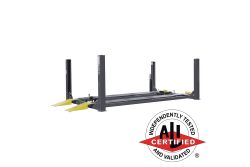
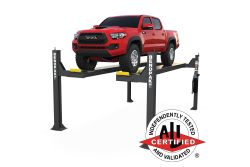
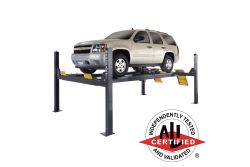
HDS-14LSXE
$12,370.00
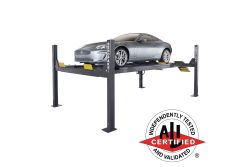
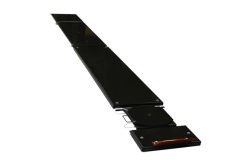
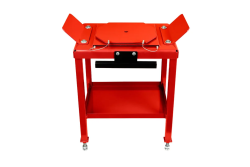
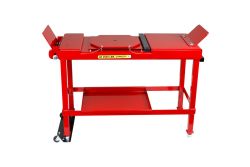
A
Alignment Lift FAQs
What is an alignment lift?
An alignment lift is a specialized four-post or scissor-style car lift designed specifically for performing wheel alignments. These lifts feature long runways that support the vehicle by the tires instead of the frame, keeping the suspension loaded in its natural driving position.
Alignment lifts also include integrated turn plates at the front and slip plates at the rear. These components allow the wheels to move freely during alignment adjustments, ensuring accurate caster, camber, and toe measurements.
How does an alignment lift work?
Alignment lifts raise the vehicle using synchronized hydraulic systems that lift the runways evenly. Because the vehicle rests on its tires, the suspension remains loaded exactly as it would be on the road.
Built-in front turn plates allow the wheels to pivot smoothly during steering adjustments, while rear slip plates let the wheels slide slightly as alignment angles are corrected. This setup eliminates suspension bind and ensures precise alignment readings.
What types of alignment lifts are available?
Most alignment lifts fall into two main categories: four-post alignment lifts and alignment scissor lifts.
Four-post alignment lifts are the most common option in professional shops. They offer excellent stability, high weight capacities, and long runways suitable for cars, trucks, and SUVs.
Alignment scissor lifts use low-profile platforms and recessed installations. These are popular in shops that want an open floor layout when the lift is lowered, while still providing full alignment capability.
What vehicles can an alignment lift handle?
Alignment lifts are designed to service a wide range of vehicles, including passenger cars, light trucks, SUVs, and vans. Capacity typically ranges from 9,000 to 18,000 pounds, depending on the model.
Longer runway models are better suited for extended wheelbase vehicles, while higher capacity lifts are ideal for heavier trucks and commercial vehicles. Always choose a lift rated comfortably above the heaviest vehicle you plan to service.
Why use an alignment lift instead of a standard four-post lift?
While standard four-post lifts can raise a vehicle, they lack the specialized features required for accurate wheel alignment. Alignment lifts include turn plates and slip plates that allow natural wheel movement during adjustments.
Without these components, alignment readings can be inaccurate due to tire scrub or suspension bind. If your shop performs alignments regularly, a dedicated alignment lift is essential for precision and efficiency.
What ceiling height is needed for an alignment lift?
Most four-post alignment lifts require ceiling heights between 10 and 12 feet, depending on the lift rise and the vehicles being serviced. Alignment scissor lifts generally require less overhead clearance.
To determine the exact requirement, add the lift’s maximum rise to the height of your tallest vehicle, then include additional clearance for safe operation and technician comfort.
Are alignment lifts anchored to the floor?
Many four-post alignment lifts are freestanding and do not require anchoring, relying on their wide stance and weight distribution for stability. This makes them easier to install and relocate.
Some alignment scissor lifts may require anchoring or recessed installation, depending on the design. Always follow the manufacturer’s installation guidelines to ensure safe operation.
How much do alignment lifts cost?
Alignment lift pricing varies based on capacity, runway length, and features. Entry-level alignment lifts typically start in the mid price range, while heavy-duty professional models represent a larger investment.
Additional costs may include installation, electrical work, and accessories such as rolling jacks or alignment kits. Higher quality lifts often provide better long-term value through durability and reduced maintenance.
Do alignment lifts work with all alignment machines?
Most modern alignment lifts are compatible with popular alignment systems, including camera-based and sensor-based machines. The key factor is ensuring the runway width and turn plate spacing match the requirements of your alignment equipment.
Before purchasing, verify compatibility with your specific alignment system to ensure proper sensor placement and accurate readings.