
Motorcycle Lifts: Platforms & Jacks
Whether you're lifting a bike or an ATV, our motorcycle lift platforms and jacks are built to bring the job up to you, so there’s no more crouching, straining, or second-day soreness. These ergonomic tools are trusted around the world to lift fast, hold strong, and keep pros going longer with less fatigue. It’s the kind of lift that’ll make you wonder how you ever worked without it.
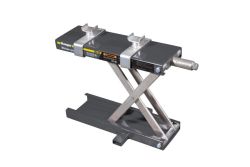
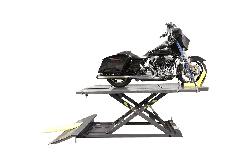
With a Ranger motorcycle lift, getting to work on your bike or ATV is a whole lot easier. The RML-1500XL packs a 1,500-lb. lifting capacity and a wide platform built to take on just about any ride in its class. Need something more compact? The low-profile RML-1100 scissor lift handles up to 1,100 lbs. with rugged, no-nonsense support, making it a perfect fit for your home garage or pro shop. Either way, you’re lifting like a pro. Learn why these pneumatic lifts and air-over hydraulic lifting systems are favorites among industry professionals worldwide.
Motorcycle Lifts for Sale
Choose the Best Lift Platform For Your Motorcycle
Not all bikes (or garages) are built the same, and the lift you choose should match how and what you lift. Whether you're working on cruisers, dirt bikes, or full‑dress touring bikes, the right platform makes all the difference.
Start by looking at your bike’s weight and dimensions. Our RML‑1500XL, for example, handles up to 1,500 lbs., with a wide platform to easily accommodate larger motorcycles and ATVs. If you’re servicing smaller rides or working in a tighter space, a compact scissor lift like the RML‑1100 might be a better fit.
Lifting style matters, too. Air‑powered and air‑over‑hydraulic lifts offer smooth operation and serious lifting power without breaking a sweat. Want fast lift speed and solid hold under load instead? Go pneumatic. Need the flexibility of manual and air power combined? Air‑over‑hydraulic systems have your back. Whatever you choose, make sure it’s built with the kind of rugged construction that holds up to repeat use and doesn’t flinch when you're wrenching hard.
- Lift capacity: Make sure it can handle the weight of your heaviest bike or ATV, plus tools and add‑ons.
- Platform size: A wider, longer platform gives you more room to work and better stability.
- Lift height: Look for enough elevation to get you wrenching at eye level without bending or stooping.
- Power source: Choose between air‑powered, hydraulic, or manual depending on your shop setup and preferences.
- Stability & safety features: Built‑in safety locks, foot‑operated controls, and rugged steel frames are a must.
- Ease of use: Smooth lift and lower operation, along with included ramps or accessories, make the job easier.
- Portability: If you're tight on space or need to move your lift around, wheels or compact design help with maneuverability and storage.
- Accessory compatibility: Make sure it works with wheel chocks, side extensions, or whatever extras you rely on.
At the end of the day, a lift platform isn’t just about height. It’s also about giving you better access, more control, and less strain. The right lift keeps your focus on the fix, not your aching back. Choose the lift that fits your bike, your space, and your style, and get ready to raise your game.
Best Practices When Using Your Motorcycle Lift Table
To get the most out of your motorcycle lift table and keep things safe while you’re at it, follow these tried‑and‑true shop best practices.
Secure Your Ride Before Lifting
Always make sure your motorcycle or ATV is properly centered and secured on the lift platform before you start raising it. Use wheel chocks, tie‑down straps, or clamps to keep the bike steady. Nothing is worse than a slipping or tipping bike.
Use Safety Locks Every Time
Don’t skip the safety locks. Once you’ve raised your bike to the desired height, engage the locking mechanism to hold it in place. This simple step prevents accidental drops and keeps your work environment secure and stress‑free.
Lift Slowly and Steadily
Whether you’re using pneumatic or hydraulic power, lift your bike smoothly and at a controlled pace. Sudden jerks or quick drops can throw off balance or cause damage, so take it slow and steady to keep everything in line.
Check for Obstructions Before Lowering
Before you lower the lift, double‑check that tools, parts, or your hands aren’t in the way. This might sound basic, but plenty of pros have learned the hard way. Keep it clean and clear for a safe descent.
Regularly Inspect Your Lift
A solid lift deserves solid maintenance. Periodically check hydraulic fluid levels, air lines, welds, and moving parts to catch wear and tear before it becomes a problem. A well‑maintained lift is a reliable lift.
Know Your Bike’s Wet Weight
Before you even think about lifting, know your motorcycle’s wet weight, which is the full weight with fluids, fuel, and gear. This isn’t guesswork; it’s critical for choosing the right lift and avoiding overload. Lifting more than your platform’s capacity can damage the lift and put you and your bike at serious risk. Play it safe: Check the specs and double down on weight limits.
Keep Your Hose Where You Can See It
If your lift runs on air or hydraulic power, always keep a clear eye on your hose. A tangled, pinched, or damaged hose can cut power mid‑lift or cause leaks that slow down your work. Coil it neatly, avoid trip hazards, and don’t let it get caught under the lift. A well‑managed hose means smooth, uninterrupted lifting every time.
Motorcycle Lift FAQs
When is a motorcycle lift necessary?
A motorcycle lift is a must whenever you want to work comfortably and safely on your bike, whether for routine maintenance, repairs, or detailing. If you’re tired of bending, crouching, or struggling to get under your bike, a lift brings the whole job up to eye level and cuts down fatigue.
Are motorcycle lifts safe to use at home?
Absolutely. When used properly and maintained, motorcycle lifts are perfectly safe for home garages. Just follow the safety guidelines: Secure your bike, engage the locks, don’t overload the lift, and keep the area clear. Treat it like any serious tool, and it’ll serve you well for years.
What maintenance does a motorcycle lift table require?
Regular checks and upkeep keep your lift running smooth. That means inspecting hydraulic fluid and air lines, lubricating moving parts, checking welds and bolts for wear, and keeping the platform clean. Staying on top of maintenance prevents breakdowns and keeps the lift safe.
What is the maximum reach for a motorcycle lift?
Maximum reach varies by model, but the RML-1500XL extends to 45 inches, which is enough to bring your bike up to a comfortable working height without straining your back or knees. Check your specific lift’s specs to know exactly what it can do.
How much space is required to store a lift platform for a motorcycle?
Storage space depends on the lift’s size and design. Compact lifts are great for tight garages, while larger models need more room to store safely. Always factor in enough clearance around it for easy access and transport.
Ready to talk?
We have product specialists with years of experience ready to answer your questions and help you through the car lift buying process.
We're here Mon-Fri, 7am to 6:30pm CT