
Tire Changers
Wrenchers carries the tire changers and mounters that real shops depend on. We stock trusted brands built for reliability, speed, and long service life. Whether you run a small garage or a busy shop, you’ll find the right machine here.
Shop tire changers
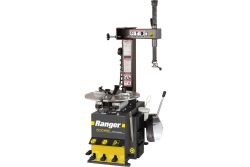
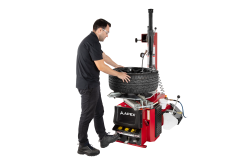
APEX AT26 Swing-Arm Tire Changer
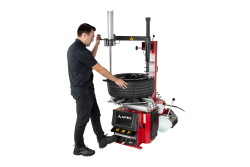
APEX AT26A Swing-Arm Tire Changer with Assist Tower
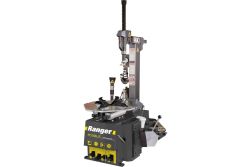
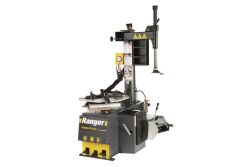
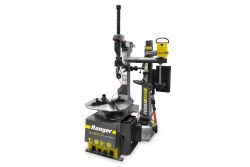
R980XR-L, 110V, GR-YEL
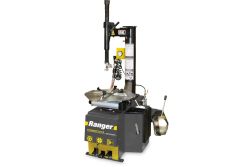
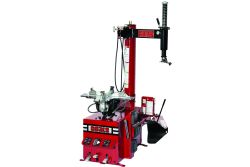
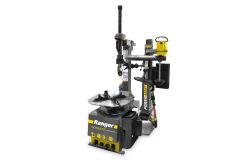
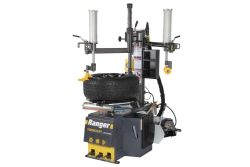
R980DP-L, 110V, GR-YEL
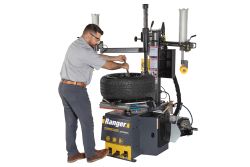
Tire changing machine components
Every tire changer relies on key parts to do the job right. Keep these in good shape and your machine will last longer.
Gearbox maintenance
The gearbox is the muscle behind every tire changer. It takes on the constant stress of spinning wheels and pushing against stiff tire beads. If it runs dry or picks up grit, you’ll start to hear grinding, or you’ll feel slipping or a slow response.
That’s why regular cleaning and lubrication matter. A well-greased gearbox doesn’t just run smoother, it also lasts longer. Ignoring it means you’re risking stripped gears or full breakdowns, which are expensive and put your machine out of service when you need it most.
Electric motor
The motor is the heartbeat of the tire changer. Every spin, clamp, and press depends on steady, reliable power. Over time, wiring can loosen, brushes wear down, and bearings get noisy. If the motor starts running hot or struggles under load, it’s a clear warning sign.
Taking time to inspect the connections, check for wear, and replace small parts before they fail keeps the machine working like it should. When the motor is in good shape, the whole tire changer feels quicker, more responsive, and more dependable.
Storage space
The best tire changers are built with storage in mind. Tool trays, shelves, and accessory racks aren’t just add-ons, they’re time savers. When your bead lube, bars, and clamps are always within arm’s reach, jobs go faster and smoother.
Without storage, tools end up scattered around the shop or on the floor, which wastes time and increases the chance of losing small but important parts. Good storage space makes the difference between an efficient workflow and a cluttered work area and processes.
Hose/wire protection
Air hoses and electrical wires are often overlooked, but they’re the lifelines of the machine. They’re also some of the easiest parts to damage. When hoses leak or wires short, it can lead to serious failures in the valves, seals, or motor, and a kinked hose or frayed wire can shut down a job in seconds.
Protecting them with covers, keeping them clear of sharp edges, and checking for wear keeps the machine safe and reliable. Regular inspection and protection go a long way toward keeping the whole tire changer running strong.
How to choose a tire changer or tire mounter
It’s important to match the machine to your daily work. Look at the tire sizes you’re working with the most, how much space you’ve got, and how many jobs you take on in a day. A good tire changer should make your work faster, safer, and more consistent. Choosing the right one now means fewer headaches and more profit down the line.
Tire Changer FAQs
What are common problems with tire changers?
Most problems come from skipped maintenance. Leaky hoses, slipping clamps, or slow motors are usually signs of wear or low air pressure. Catching these early saves you time and money.
What are the alternatives to using a tire changer?
Before tire changers, mechanics relied on tire irons, bead breakers, and a lot of muscle. You can still do it that way, but it takes more time, is hard on your body, and can be risky for the rim and tire bead. Manual work makes sense for off-road or emergency situations, but in a shop, a single slip can bend a rim, tear a bead, or injure your hand.
Another option is outsourcing mounting and balancing to another shop, but that means lost time, extra cost, and less control over quality. Investing in a tire changer keeps the work in-house, improves turnaround, and pays for itself over time.
What are the different types of tire changers?
Not all tire changers are built the same. Here are the main types:
- Manual tire changers: Hand-powered, suitable for low-volume or hobby garages.
- Semi-automatic tire changers: Common in general repair shops; lever-assisted mounting head with motorized rotation.
- Fully automatic tire changers: High-output machines for shops, dealerships, and tire specialists.
- Tilt-back and swing-arm machines: Tilt-back machines move the mounting head out of the way via pedal; swing-arm machines are more compact but require manual adjustment.
- Heavy-duty and specialty changers: For semi-truck, agricultural, or performance tires, offering higher clamping ranges and stronger bead breakers.
Knowing which type fits your shop prevents overbuying or under-equipping.
How does a tire changer work?
When you’ve secured the wheel clamps, the bead breaker loosens the tire, and the mount head guides the bead over the rim while the motor turns the assembly. It’s a controlled process that uses leverage instead of brute force.
How to maintain a tire changer?
A well-kept tire changer saves you from downtime and costly repairs. Daily care includes wiping down clamps, the mounting head, and bead breaker arm to remove dirt, rubber, or grit.
Lubrication is key: keep pivot points and sliding parts greased regularly to prevent strain on the motor and gearbox. Drain water from compressor tanks and air lines to prevent rust and sticking parts.
Regularly inspect hoses, wires, clamps, and jaws for cracks, kinks, loose connections, or wear, which can cause failures or damage. Monitor the motor and gearbox for unusual noises, vibrations, or leaking grease. For high-volume shops, a professional inspection once a year ensures bearings, belts, and seals are in good condition, keeping your machine reliable and extending its lifespan.
Choose from top tire changers at Wrenchers
Get advice on tire changers
We have product specialists with years of experience ready to answer your questions and help you through the buying process.
We're here Mon-Fri, 7am to 6:30pm CT