Start With Your Alignment Bay
Look at usable bay length, lift or rack configuration and where cameras, targets, consoles and technician work areas will be located. Equipment that fits the physical workflow of the bay is easier to use consistently.

Wheel alignment systems give technicians the measurements and guidance needed to diagnose and correct vehicle alignment. From compact imaging systems to advanced 3D aligners and complete alignment-bay packages, the right equipment can help turn alignment work into a more efficient, repeatable shop service.
Compare professional wheel aligners, turnplates and complete aligner-and-lift packages for shops adding alignment service or upgrading an existing bay.
Alignment systems vary in footprint, camera configuration, measurement capability and workflow. Start with the space you have, the vehicles you service and whether you need a standalone aligner or a complete alignment-bay solution.
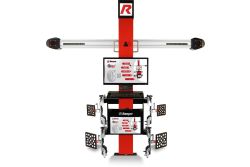
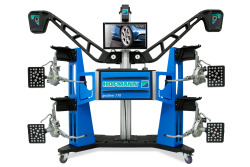
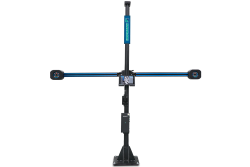
Camera-based alignment systems provide precise wheel measurements while giving technicians guided information for common alignment adjustments.
Compare SystemsAdvanced systems add workflow features, expanded measurements and technician guidance designed to make alignment work faster and more repeatable.
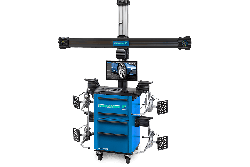
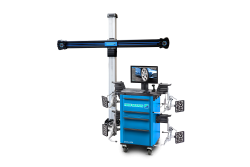
Explore FeaturesCompact and mobile configurations can help shops add professional alignment capability where permanent equipment or dedicated floor space is limited.
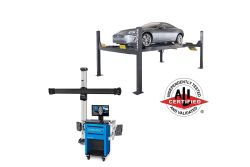
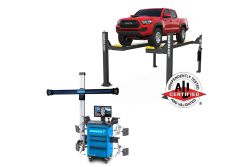
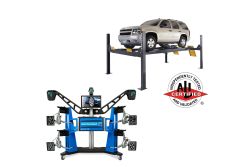
Compare FootprintsPair the alignment system with an alignment-ready lift to create a coordinated workstation for vehicle positioning, measurement and adjustment.
View PackagesShop professional wheel alignment equipment including imaging and 3D wheel aligners, mobile alignment systems, turnplates and complete aligner-and-lift packages for automotive service facilities.
Choosing an alignment system is about more than measurement accuracy. Consider the vehicles you service, your alignment bay, technician workflow, available floor space and the alignment lift or rack the system will be used with.
Look at usable bay length, lift or rack configuration and where cameras, targets, consoles and technician work areas will be located. Equipment that fits the physical workflow of the bay is easier to use consistently.
Track width, wheelbase, wheel size and vehicle type all matter when selecting alignment equipment. Check the operating range of the aligner against the passenger cars, light trucks and specialty vehicles your shop sees regularly.
Features such as guided procedures, camera tracking, vehicle identification and adjustment assistance can reduce unnecessary movement around the bay and help technicians work through alignment procedures more efficiently.
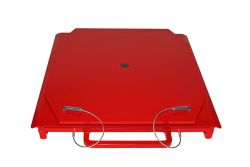
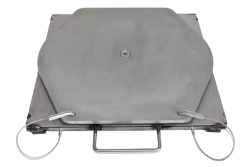
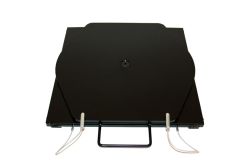
The aligner is only part of the workstation. Turnplates, wheel clamps or targets, an alignment-ready lift and supporting accessories should work together as a complete system.
Alignment equipment measures wheel and suspension geometry so a technician can compare the vehicle's actual measurements with the appropriate specifications. Toe, camber and caster are among the fundamental measurements used when diagnosing alignment conditions.
Toe describes the direction the tires point relative to one another when viewed from above. Incorrect toe can contribute to rapid or irregular tire wear and is one of the primary measurements checked during an alignment.
Camber is the inward or outward tilt of the wheel when viewed from the front of the vehicle. Excessive positive or negative camber can affect tire contact and wear.
Caster describes the steering-axis angle when viewed from the side of the vehicle. It plays a role in steering stability, return-to-center behavior and overall vehicle tracking.
Thrust angle describes the relationship between the rear-wheel direction of travel and the vehicle centerline. Four-wheel alignment systems use rear measurements to establish vehicle direction before finalizing front-wheel adjustments.
Wheel alignment and advanced driver-assistance systems increasingly intersect on modern vehicles. Cameras, radar and steering-related systems may depend on an accurate understanding of vehicle direction and steering position.
Depending on the vehicle and manufacturer procedure, an alignment or steering adjustment may require an ADAS calibration, reset or additional service procedure. Always follow the applicable OEM service information for the specific vehicle.
Shops servicing newer vehicles should consider how wheel alignment fits into the broader diagnostic and calibration workflow. Alignment equipment, scan tools and ADAS equipment may be involved in different stages of the same repair process.
Common questions about professional alignment machines, alignment measurements, shop requirements and choosing a complete alignment setup.
A professional wheel aligner measures wheel and suspension geometry and compares those measurements with vehicle specifications. Depending on the system and vehicle, measurements can include toe, camber, caster, thrust angle and additional chassis or steering geometry.
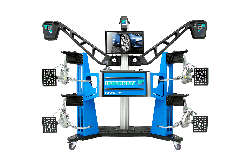
Modern imaging aligners use cameras and targets mounted at the wheels to calculate alignment measurements. The system monitors wheel position and vehicle geometry while software guides the technician through measurement and adjustment procedures.
Professional alignment work requires a stable, level platform that supports the vehicle and allows the wheels and suspension to be positioned correctly during measurement and adjustment. Many shops pair their aligner with a purpose-built alignment lift equipped for alignment service.
A typical professional setup combines the wheel aligner with an alignment-ready rack or lift, turnplates, wheel targets or clamps and the appropriate technician tools and accessories.
Wrenchers also carries complete aligner-and-lift packages, or you can browse wheel service equipment when planning a broader tire and alignment workstation.
Start with vehicle coverage and the physical dimensions of your alignment bay. Then compare measurement capability, camera configuration, target or clamp design, software guidance, technician workflow and compatibility with your alignment lift.
Not every vehicle requires the same procedure. Depending on the make, model and work performed, an alignment may be associated with steering resets or ADAS calibration procedures. Always consult current OEM service information to determine what is required for the specific vehicle.
Yes, but space should be considered before selecting equipment. Compact and mobile imaging systems can reduce the footprint required for some installations, while larger fixed systems may make more sense for a dedicated alignment bay.
A package can simplify the process of matching the alignment machine with a suitable lift and alignment-bay configuration. Wrenchers currently carries complete systems combining professional wheel aligners with alignment lifts.
Browse alignment lifts separately if you already have an aligner or are building a custom bay.
Talk with a Wrenchers product specialist about wheel aligners, alignment lifts, shop layout and complete alignment equipment packages.
We're here Mon–Fri, 7am to 6:30pm CT