
Trailer Ramps
Trailer Ramps
Load low-clearance vehicles with a smoother transition onto open or enclosed trailers. APEX trailer ramps extend the loading approach to help protect splitters, exhaust and underbody components.
Lightweight structural foam construction and textured, non-marring surfaces make these ramps easy to position and well suited for sports cars, exotics and track builds.
Options
Match the ramp to your loading setup.
The current APEX lineup includes four ramp lengths with approach angles from 5.4 to 6.6 degrees. Compare the height and length of each kit to the clearance demands of your vehicle and trailer.
Compact 36-inch lightweight foam trailer ramp kit with a 3.5-inch height and 5.4-degree approach angle. Set of two.
View 36" Ramps48-inch lightweight foam trailer ramp kit with a 5-inch height and 5.9-degree approach angle. Set of two.
View 48" Ramps60-inch lightweight foam trailer ramp kit with a 7-inch height and 6.6-degree approach angle. Set of two.
View 60" RampsExtra-long 72-inch lightweight foam trailer ramp kit with a 7-inch height and shallow 5.5-degree approach angle. Set of two.
View 72" RampsRamps
Trailer Ramps for Sale
Shop APEX lightweight foam trailer ramps in 36-, 48-, 60- and 72-inch lengths, designed to extend the transition onto a trailer for vehicles with limited ground clearance.
APEX trailer ramps make loading low cars predictable. Lightweight structural foam with a textured coating cuts approach angles and protects splitters and exhaust. Built for sports cars, exotics, and track builds. Clean loading, no sketchy stacks.
Shop Trailer Ramps
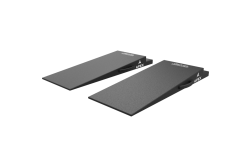
36" Lightweight Foam Trailer Ramp Kit
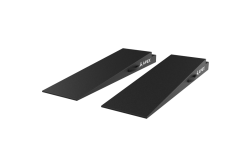
48" Lightweight Foam Trailer Ramp Kit
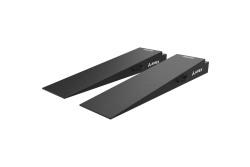
60" Lightweight Foam Trailer Ramp Kit
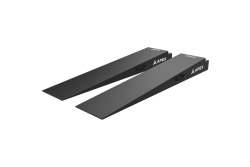
72" Lightweight Foam Trailer Ramp Kit
Guide
Choose around the transition you need.
Trailer ramps are about creating a smoother path from the ground onto the trailer. Compare approach angle, ramp height and overall length against your vehicle's clearance and your trailer setup.
Consider low splitters, exhaust components and other underbody areas that can contact a steep trailer transition.
The current APEX trailer ramp lineup ranges from a 5.4-degree to 6.6-degree approach angle.
Current ramp heights range from 3.5 to 7 inches. Match the ramp geometry to the transition at your trailer door or deck.
Choose from 36-, 48-, 60- and 72-inch configurations depending on the geometry required for your loading setup.
Four sizes for low-clearance loading.
Compare the current trailer ramp kits by overall length, ramp height and approach angle.
Loading
Designed around low-clearance vehicles.
APEX trailer ramps combine shallow transitions with lightweight structural foam construction and a textured, non-marring surface.
Extended ramp geometry helps reduce the approach angle between the ground and trailer.
High-density structural foam provides the core construction used throughout the APEX lineup.
The foam construction keeps the ramps manageable and easy to position for loading.
A textured coating provides grip while helping protect tires and trailer floor surfaces.
FAQs
Trailer Ramp FAQs
Common questions about APEX trailer ramps and low-clearance vehicle loading.
01 What are trailer ramps used for?
Trailer ramps reduce the approach angle when loading a vehicle onto an open or enclosed trailer. They make it easier to load low cars without scraping splitters, lips, exhaust, or underbody components.
02 Are trailer ramps safe for low and performance cars?
Yes. APEX trailer ramps are designed with long, shallow transitions that help low ride height cars clear trailer doors smoothly. This makes them well suited for sports cars, track builds, and vehicles with long overhangs.
03 What are APEX trailer ramps made from?
They use a high density structural foam core with a textured, non marring coating. This construction delivers high load capacity while staying lightweight and easy to position by one person.
04 How do trailer ramps compare to wood or metal ramps?
Wood stacks can shift or crush, and metal ramps are often heavy and aggressive on finishes. APEX ramps offer predictable geometry, lighter handling, and a surface that grips without damaging tires or trailer floors.
05 How do you use trailer ramps safely?
Place the ramps securely against the trailer door or deck on a flat surface. Align them straight with the tires and load the vehicle slowly and smoothly. Always confirm ramp placement and stability before driving on.
Get advice on trailer ramps.
Our product specialists can answer your questions and help you choose the right ramp setup for your vehicle and trailer.
We're here Mon-Fri, 7am to 6:30pm CTTrailer Ramp FAQs
What are trailer ramps used for?
Trailer ramps reduce the approach angle when loading a vehicle onto an open or enclosed trailer. They make it easier to load low cars without scraping splitters, lips, exhaust, or underbody components.
Are trailer ramps safe for low and performance cars?
Yes. APEX trailer ramps are designed with long, shallow transitions that help low ride height cars clear trailer doors smoothly. This makes them well suited for sports cars, track builds, and vehicles with long overhangs.
What are APEX trailer ramps made from?
They use a high density structural foam core with a textured, non marring coating. This construction delivers high load capacity while staying lightweight and easy to position by one person.
How do trailer ramps compare to wood or metal ramps?
Wood stacks can shift or crush, and metal ramps are often heavy and aggressive on finishes. APEX ramps offer predictable geometry, lighter handling, and a surface that grips without damaging tires or trailer floors.
How do you use trailer ramps safely?
Place the ramps securely against the trailer door or deck on a flat surface. Align them straight with the tires and load the vehicle slowly and smoothly. Always confirm ramp placement and stability before driving on.
Choose From Trailer Ramps at Wrenchers
Get advice on trailer ramps
We have product specialists with years of experience ready to answer your questions and help you through the buying process.
We're here Mon-Fri, 7am to 6:30pm CT