
Oil Drains
Oil Drains
Keep used oil and other automotive fluids contained and your service area cleaner with professional oil drain equipment from Ranger and Balcrank.
Choose from low-profile drains for servicing trucks and RVs, upright rolling drains for everyday shop work, and self-evacuating equipment designed to simplify fluid collection and transfer.
Application
Fluid handling for different service environments.
The Oil Drains category includes more than conventional rolling drain tanks. Compare low-profile and upright drains alongside evacuation and fluid-control equipment for a more complete shop fluid-handling setup.
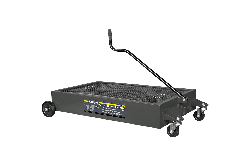
Roll-under designs provide a practical collection solution for trucks, RVs and other applications where an upright drain is not the best fit.
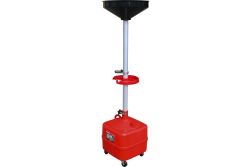
Shop RD-15Mobile upright drains position the collection funnel beneath raised vehicles while keeping the tank easy to move between service bays.
Drain configurations with pumps or air evacuation help shops move collected waste fluid out of the tank more efficiently.
The category also includes Balcrank pumps and metered control equipment for handling and dispensing shop fluids.
Oil Drains
Oil Drains & Fluid Handling Equipment
Compare professional oil drains, evacuation equipment, pumps and fluid-control products from Ranger and Balcrank for automotive service and maintenance applications.
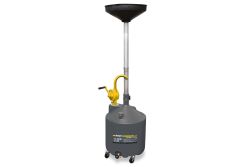
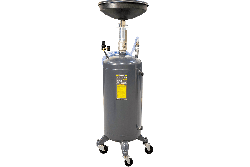
Dealing with waste fluids is an everyday occurrence that will take place within the automotive service industry. Ranger and Balcrank provide the means to deal with it. Using Ranger oil drains will keep your workplace free of drips, drops, and spills. There are three upright rolling oil drains from BendPak to choose from, and two from Balcrank. The upright BendPak tanks feature a stable base, high-quality ball bearing casters, and a superior design to resist dent, rust, and damage from otherwise corrosive fluids. There is also the RD-15, a low profile 15 gallon oil drain that is ideal for truck and RV service. They come with a removable steel mesh which keeps foreign debris out while baffles and splash guards prevent spillage.
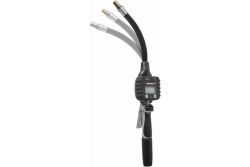
Balcrank 3330-159 Oil Control Handle with Digital Meter
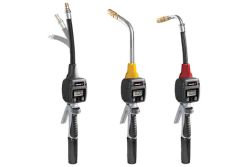
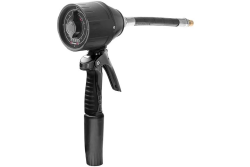
Balcrank • MR • Oil Meter W/ Flex Memory Extension
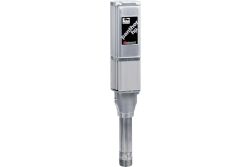
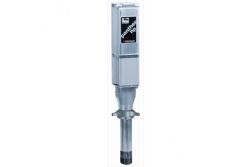
Balcrank • Panther HP • 5:1 Pump
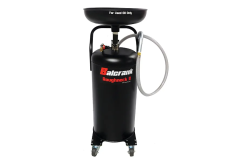
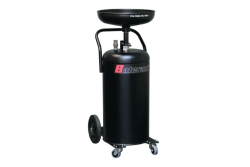
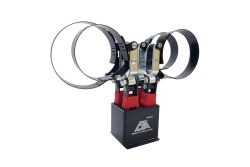
Choosing Oil Drain Equipment for Your Shop
Start with the vehicles you service and how fluid moves through your shop. Vehicle clearance determines whether a low-profile or upright drain makes more sense, while tank capacity, mobility and evacuation method affect day-to-day workflow.
Low-profile drains can roll beneath vehicles where clearance is limited, while upright drains are designed to collect fluid beneath elevated vehicles.
Compare tank size with the number and type of vehicles typically serviced before the drain needs to be emptied.
A mobile drain needs to move efficiently between service bays. Consider the base, casters and overall footprint when planning your workflow.
Standard drains collect fluid for later transfer, while pump-equipped and air-evac designs can simplify moving used fluid out of the tank.
Match the drain to the service bay.
Wrenchers carries several different approaches to collecting and handling used automotive fluids.
Designed to position beneath vehicles without requiring a tall upright collection funnel. The Ranger RD-15 uses a 15-gallon low-profile configuration suited to truck and RV service.
View RD-15Upright drains place the collection point beneath a vehicle raised on a lift. Mobile bases allow the drain to be repositioned around the shop as needed.
View RD-9GA built-in pump adds another fluid-transfer option after collection. The Ranger RD-18G combines an upright configuration with an 18-gallon tank and pump.
View RD-18GAir-evac equipment provides another approach to moving collected fluid from the drain. The Ranger RD-20SE pairs this system with a 20-gallon tank.
View RD-20SESmall details matter when you're handling waste fluid every day.
Ranger's oil-drain lineup emphasizes mobility, containment and durable construction to help keep routine fluid service more manageable.
Upright Ranger tanks use stable bases and ball-bearing casters to make positioning around the service area easier.
Baffles and splash guards help control fluid during collection and reduce unnecessary mess around the drain.
Steel mesh helps keep foreign debris from entering the drain during routine service.
Ranger upright tanks are designed to resist dents, rust and damage associated with regular automotive fluid-service environments.
Think about the entire fluid-handling process.
Collection is only one part of the job. A practical shop setup should account for where the drain will be used, how it will move between bays and how collected fluid will ultimately leave the tank.
Vehicle height and service-bay setup help determine whether a low-profile or upright drain is the better starting point.
Tank capacity should fit the expected volume of fluid and how frequently your shop plans to empty the drain.
Consider the route between service bays and the final collection or storage point when comparing drain size and mobility.
For higher-volume workflows, a pump-equipped or air-evac drain may simplify the transfer step.
Need help choosing oil drain equipment?
Talk with Wrenchers about the vehicles you service, your shop layout and how you handle collected fluids.